
**Books are in alphabetical order by topic and author last name. These reviews are purely my own opinions.
Attachment/Relationships/Parenting
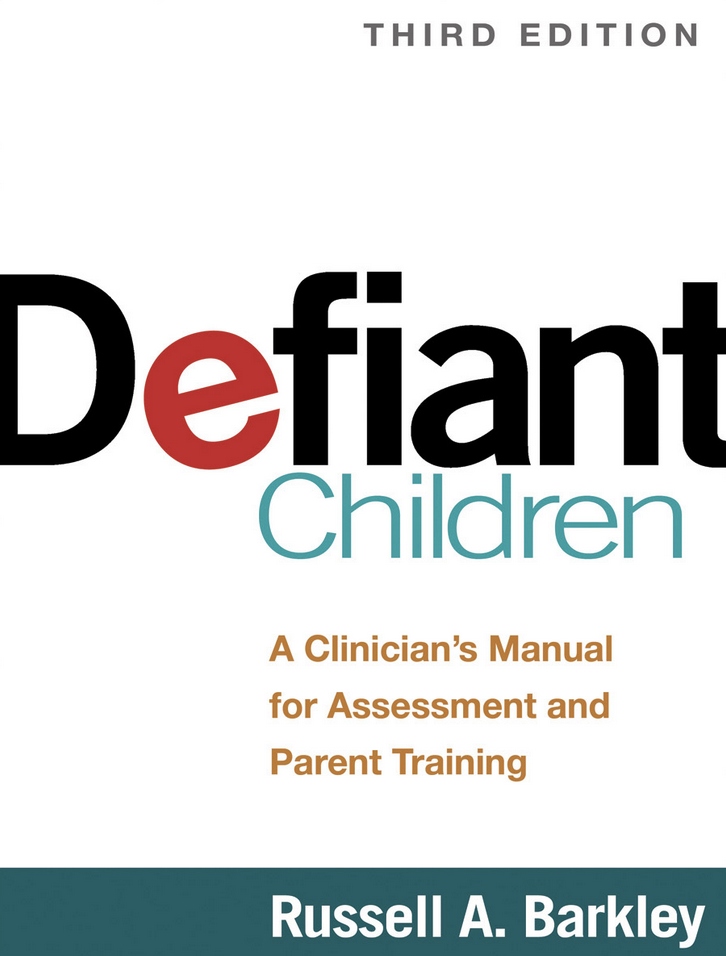
Defiant Children by Russel Barkley
Rating: 2/10
Hate this book. IDK why we keep telling parents that compliance means that your child’s mental health is excellent, and any deviation from that means there is something wrong. Bro, that is a whole ass person who does not have the same brain capacity for complex thought. So not neurodiverse friendly, hate the term defiant anyway, and assess based on some vague definition of “normal”. It only got points because there are sections that recognize complexities of parenting neurodiversity, trying to help find sensory sensitivities and mitigate, and acknowledges that these are “problems” only due to societal expectations. But instead of saying “let change society!” it emphasizes, “lets make the kid fit into the b.s!” BOOOO! Compliant children are not happy children.
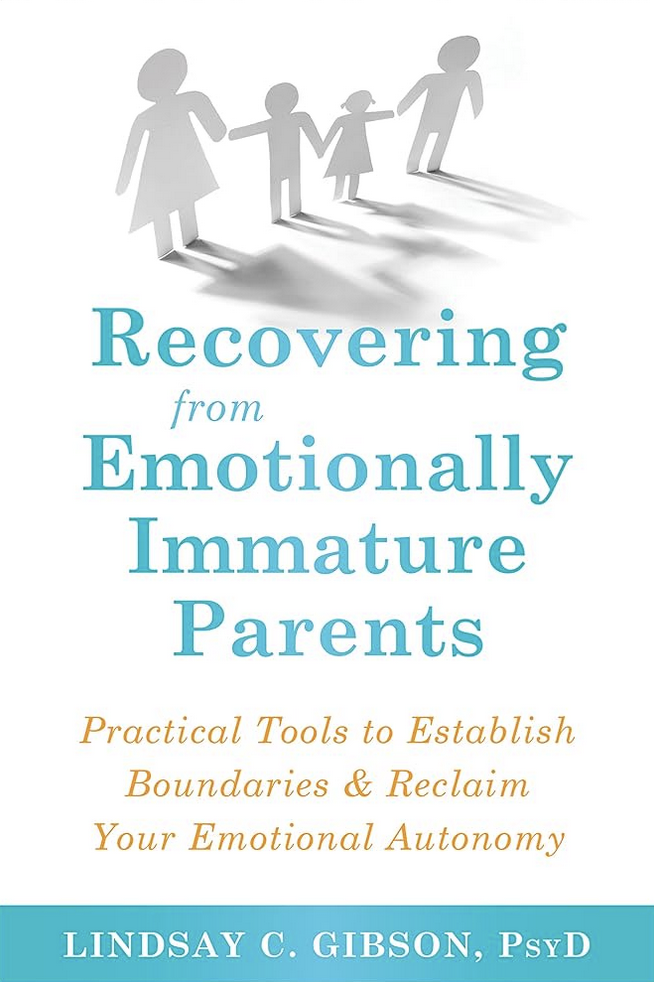
Recovering from Emotionally Immature Parents by Lindsay Gibson
Rating: 9/10
I love this book because it 1) helps build empathy and understanding while balancing accountability and 2) gives a plethora of useful behavioral/communication changes you can make. It helps the reader actually navigate the relationship instead of being focused on expectations that will never be met. There is also a section on focusing on the self, determining what you the reader truly want and how to take care of yourself within the dynamic. I don’t know if I am biased here, but I think most generations before mine were more emotionally immature than mature, so one thing I worry about is overgeneralizing immaturity into a kind of pandemic as opposed to something that makes sense in historical context. We forget how much humans have shifted in their world in the last 300 years; most generations before us did not have the luxury to focus on feelings, they were still trying to survive. It gets dinged one point for not talking about this point more and because, at times, it feels a bit like finger pointing/making the parent out to be a robotic thing that will not adjust.
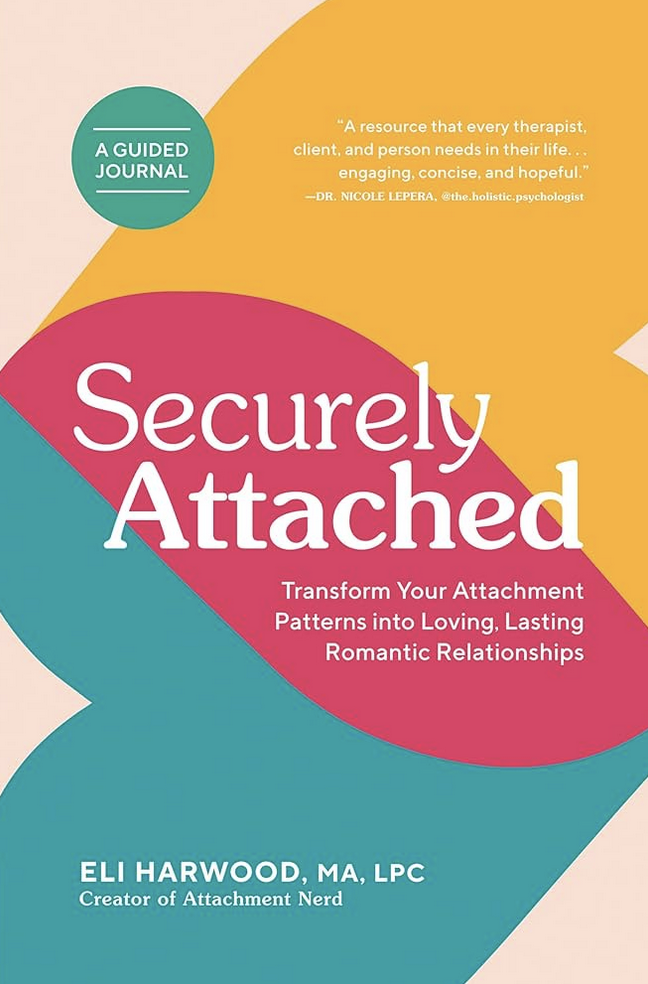
Securely Attached by Eli Harwood
Rating: 9/10
Another book I like to recommend for clients, specifically for those who are wanting to explore more memories, childhood trauma, and parental/caregiver relationships through attachment. This book is in a journal/prompt format, allowing you to write in the book directly. I give it one point off only because it is a dense book, especially for those with childhood trauma in their attachment figures. I really only suggest those who are already in therapy to utilize the book so you have a professional help process what you uncover. It looks small, but it is very mighty, so I also advise to go super slow when working through, maybe only 3-5 pages at a time.
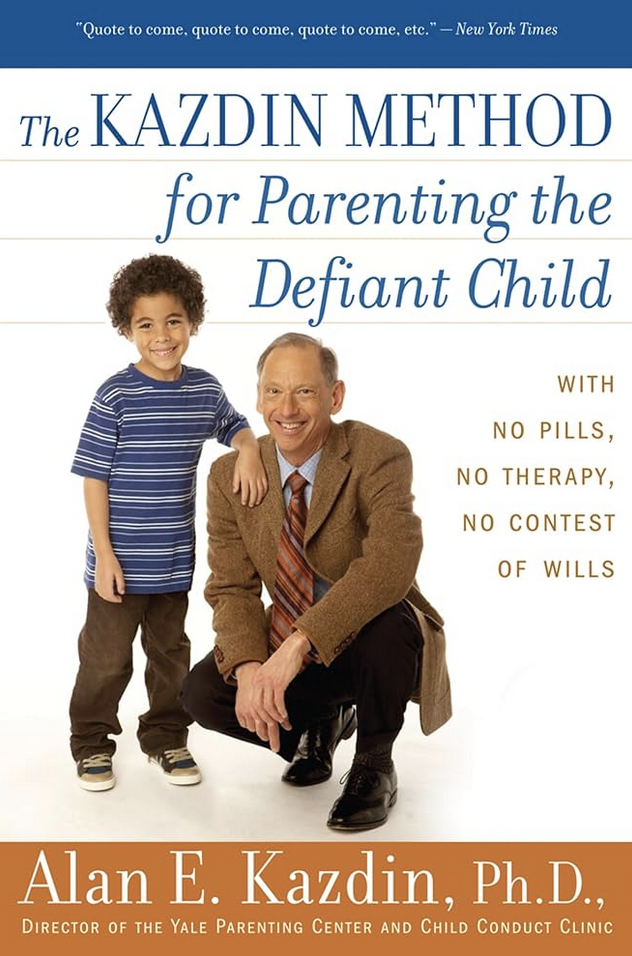
The Kazdin Method by Alan Kazdin
Rating: 6/10
Still hate the term defiant, I live under the umbrella that all behavior makes sense. BUT, when reading into this book more, it does have good pointers. There is more of an emphasis on “it’s not the kid, it’s you”, finding ways to help children meet expectations better and working with them. It also reviews why punishment sucks and why positive reinforcement works so much better. Through this, you can gather it is a very behavioral book, so it gets points taken for not exploring deeper than behavior interventions. This book actually treats kids like people and corrects parenting myths. It is also organized by developmental age and common occurrences at those ages.
The Dance of Intimacy by Harriet Lerner
Rating: 8/10
This book is very dated and very gendered, reader beware. However, when ignoring those two factors, this book is excellent to describing troubling family and relationship dynamics like triangulation, overfunctioning/underfunctioning, and the importance of genealogy. These dynamics can exist in any form of relationship and certainly contribute to many cases I see. There are also a lot of truths to the writing, such as sentiments surrounding secret keeping, impacts of poor communication, and defense/coping strategies that can interfere with the process. It is also pretty feminist for its time, recognizing that most of relational work is traditionally AFAB, social gendered training as to why, minority status issues, and a call to action for AMAB individuals to be more involved. The author recognized the “male loneliness epidemic” bullshit from 37 years away, werk Dr. Lerner!
Relationship OCD by Sheva Rajaee
Rating: 10/10
LOVE this book, I think it does a wonderful job of walking clients through CBT. ACT, and ERP styles for OCD treatment in an accessible and understandable way. I know the topic is relationship OCD, but the principles can be applied to any form of OCD. It also includes activities for the reader to interact with along the way. I know one hesitation to CBT for OCD is that it can feed in as compulsions, (which if that has or applies to you, totally get), but the author structures the CBT in a thoughtful way for this reason/addresses this themselves in the book.
Shameless Parenting by Tina Schermer Sellers
Rating: 10/10
I think all parents should have this book, regardless of ones relationship with sexual development. Not only do I think our culture almost supports parents (especially AFAB) to have shame associated with sex, but also hides all information to do with sexual development in any parenting book. This book is brilliant if you are looking to let go of sexual shame, parenting a child and want to guide in different sexual values, or even just a quick reference guide to developmental stages. It includes a basic overview of developmental stages, what kids are picking up on, what kids are beginning to explore with sex, gender, and socially, and how to have age appropriate conversations with them. There are also prompts for the parents in the back of each chapter to explore one’s own sexual development, as well as further resources, books, videos, etc. that can help.
Gender and Sexuality
A Clinician’s Guide to Gender-Affirming Care by Chang, Singh, and Dickey
Rating: 10/10
For clinicians not well versed and want to expand on competency of trans healthcare, this is a perfect guide. Even being in the community myself/having explored these concepts in my own way, the book provides prompts I come back to frequently. The authors pose excellent exploration questions, help guide each individual experience for a client, and provides psychoeducation for readers on the ins and outs of social and medical transition. Whether the client has just started to identify differently or has been out for 20 years, the information provided can assist a clinician in what to expect, topics that may arise, questions client’s may have, how to pose questions, how to be an affirming provider, etc.
Handbook of LGBT Issues in Community Mental Health by Hellman and Drescher
Rating: 7/10
I read this book for a project in graduate school (the only one who used the cultural competency class to explore gender/sexuality btw) and is a series of research papers that offer data, less so guides on how to help clinicians. This book is OLLDD, so the information is outdated but still covers many LGBTQIA+ community concerns today, such as severe mental illness coexisting with gender, and how complex it is to treat the case in a dignifying and affirming way. There is also a paper recognizing how queer competent providers are “a rarity” and “unexplored in graduate school training” (see my aside above to see how that is accurate 24 years later). Though, due to the age and the nature of the book still being quite medical, the book gets dinged down a few points.
Humor
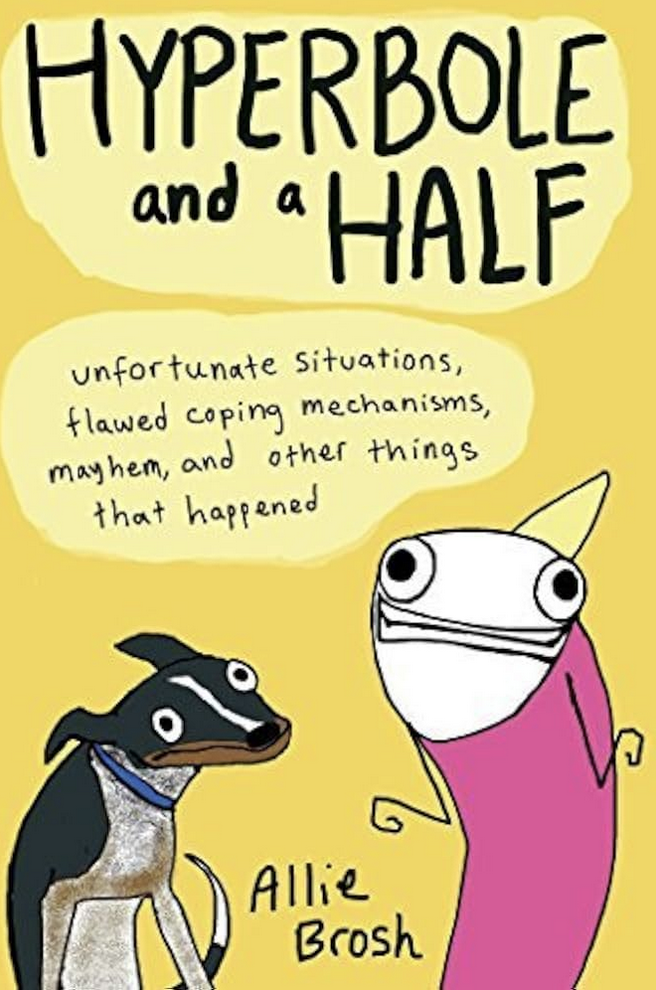
Hyperbole and a Half by Allie Brosh
Rating: 10/10
Despite the internet memes that came from this book earning a 10/10 already, I also really enjoy the way the author reflects on their past experiences in a humorous way. Additionally, there are especially pertinent parts of the author’s mental health journey that are reflected in this book in a way that many people can relate to. I have even referenced a part of this book in session before to highlight social anxiety and how far misunderstandings from it can carry. The book is written in a comic book style with pictures as well, which is definitely more engaging than a regular read. Would I call this book Therapeutic? Not quite. Would I call it a good read that is related to mental health? Yes.
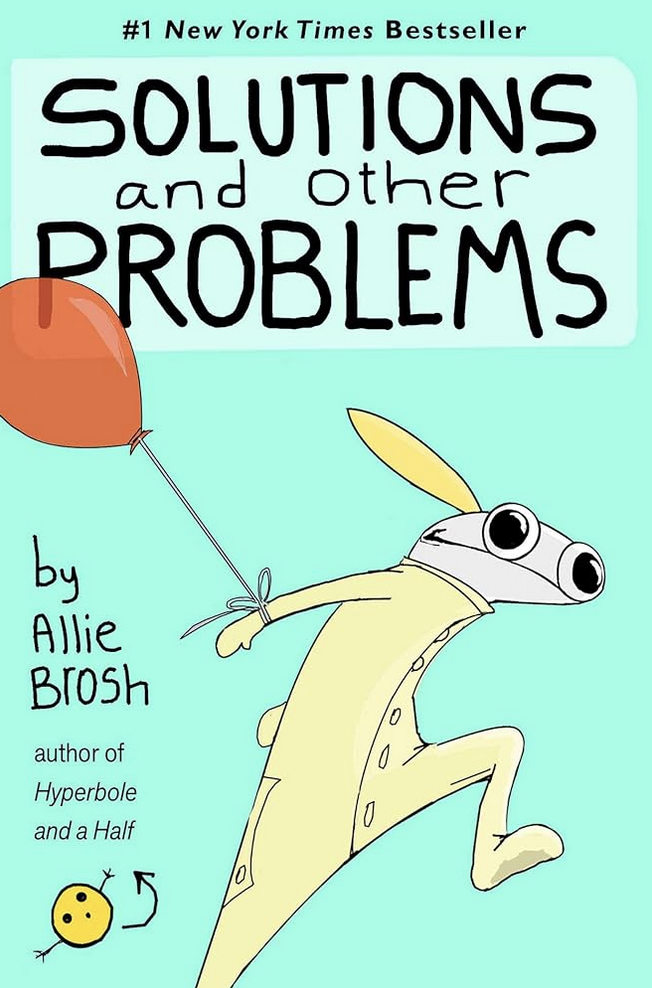
Solutions and Other Problems by Allie Brosh
Rating: 9/10
I, of course, love this author so I had to read their next book. However, I don’t think it was as good or as iconic as the first book. Despite this, it is a good read for the same reasons as the first book; it has both humor and mental health themes explored in a thoughtful way. I wouldn’t say it was much different from the first book, just a collection of new stories and themes.
How to Date Men When You Hate Men by Blythe Roberson
Rating: 10/10
Again, not the most therapeutic book, but given the current social context with dating AMAB men, I think it is a hilarious read. The author discusses the ins and outs of their experience of being attracted to men while juggling the social context of being in relationships with them. I enjoy how the author encourages a casual approach to crushes and embracing stereotypically “girly” interests in the name of rebelling. The book is excellent for an “embrace it because gender rules hate it” narrative, encouraging AFAB folx to deconstruct WHY society dislikes certain activities (spoiler: its misogyny).
Mental Health/Specific Conditions and Approaches
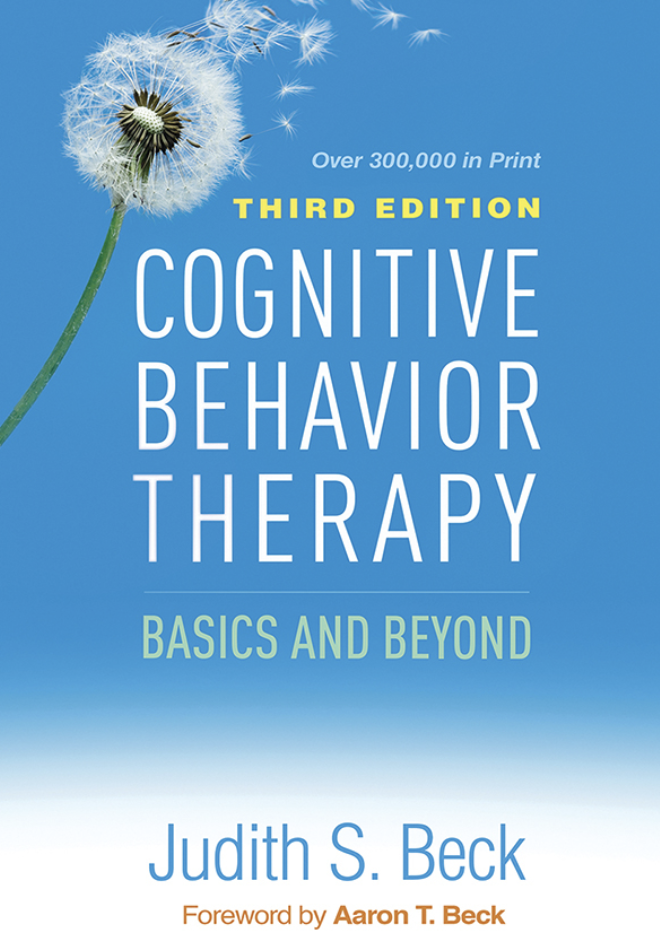
Cognitive Behavior Therapy by Judith S. Beck
Rating: 6/10
I’m not a huge CBT person, but it was the main approach taught to me in graduate school. If looking to use a CBT approach, this covers the bases well. One thing I like about CBT is that is can be a good, fast acting way for folx to start seeing change in how they think. This can lend to a positive coping skill when transitioning into different approaches that are more trauma based/depth work. I rate the book lower just because I infrequently use CBT (if anything I prefer DBT). I think one misconception about therapy is that each approach is it’s own, but honestly, a lot of approaches blend into one another. Like, for example, there’s a section of the book walking the reader through values/goals clarifications, something usually associated with ACT. CBT gets a lot of hate online, but I’m not one to support black and white thinking about it. It is well documented, well researched, and in the words of a graduate professor I had, “I would slap a client with a fish if they said it helped them.”
Status Dynamics by Raymond Bergner
Rating: 2/10
I will come clean and say I am a very biased narrator with this book; I was Dr. Bergner’s teaching assistant in graduate school and dislike him personally (I will not elaborate further on why). But strictly speaking to the material of this book, it feels very…classic AMAB power-structure based. I do think some are motivated by status, but it’s hard to extrapolate it’s uses to everyone/assume everyone manipulates power structure for personal gain. IDK it’s just a very cold, white-male way of thinking to me, to reduce humans to that level. But, there are some valid points too, such as emphasis on building the therapeutic relationship, stereotypes/biases that enter the therapy space and create an inherent dynamic, and client worldview importance.
Mindfulness-Based Cognitive Therapy for Bipolar Disorder by Deckersbach, Hölzel, Eisner, Lazar, and Nierenberg
Rating: 6/10
Again, more behavior based approaches that I think are best for short term coping uses. I like that this includes mindfulness are a behavior as well for maintenance of mood, awareness for when mood is shifting, and exercises to cope through intense mood shifts. There are also a lot of handouts and repeatable exercises for exploring these concepts and helping client’s gain practice in using. As some of my clients will know, I often say that skills should be practiced always, not just when feeling poorly (you can’t learn to ride a bike on a unicycle in a windstorm). There are some practices I don’t personally resonate with, but I have had client’s who have (such as yoga or loving kindness). All the limits of CBT are here though, when the person’s thinking is not the problem, but their environment (see behavioral activation for depression review below for a more in depth explanation).
Behavioral Activation for Depression by Martell, Dimidjian, and Herman-Dunn
Rating: 5/10
Obviously, you can see the theoretical orientation my graduate training gave. This is a straight average book for behavioral therapy. The book does a fine job if this is the approach you want to use, and certainly has its place in therapy. Realistically, depression can be caused by thoughts and behaviors one makes, and changing internal narratives and external actions can lead to change. BUT that is only if the “disorder” is caused by these concerns; depression and other mental health conditions are not just caused by thinking errors and bad behaviors. If the problem is unaffected by personal actions and the person is having a natural response to a stressor (like poverty, systemic issues, racism, homophobia, etc.), altering thoughts and behaviors 1) goes against a bodies inclination to trust itself and 2) isn’t going to actually solve the original issue.
The Theory and Practice of Group Psychotherapy by Irvin Yalom
Rating: 9/10
I like Yalom, both for his work in his clinical work and for story telling in his fictional works. However, this guy is SO verbose. This book is huGE at 600+ pages (…yes, I read the whole thing), and if you took out the five times he says the same thing, it would be half the length. Despite that, it is a wonderful resource if learning group therapy for the first time or if looking for a refresher before starting a group. Definitely more for clinicians and not clients, the reading is dense and not for the feint of heart. One thing that I wish was discussed more in group therapy spaces in that what is ideal and what actually happens is so vastly different. This book outlines all the ideals, like balancing the personalities of members, types of groups, when to remove members, etc. That rarely happens in practice, with most people just being slapped into a group without facilitators being able to provide the best conditions.
Mindfulness/Spirituality
How to Fight by Thich Naht Hanh

Rating: 6/10
The rating on this book is lower because I am not a super spiritual person, not because it is a poor read. Thich Naht Hanh is a well known Buddhist philosopher, and he has many different books on small stories, personal wisdoms, and ways of interpreting events in meaningful ways. I can get behind some of the philosophy, but there are other moments where I could see the advice as harmful to mental health. For example, there is a story about eating mindfully that has both good ideas and could spark a worsening of disordered eating. I also have a weird relationship to Buddhism as a spiritual practice versus Buddhism as an organized religion, where the latter has patriarchal systems (like most organized religion). I am sourcing this as someone who desires to promote mindfulness and acceptance, but also someone who has a partner from a Buddhist culture.
The Serviceberry by Robin Wall Kimmerer
Rating: 10/10
Oh my god I love this book. I know I said that I am not super spiritual, and I am not, but content like this is the exception. This book is about how mutualism comes in many different forms, and how relationships are naturally transactional but in a respecting and understanding way that benefits all involved. It also explored consequences of selfish individuals who do not respect the mutual relationships in life and the consequences this has. Finally, there are actions defined as ways to build up reciprocity in personal relationships and on a larger scale alongside capitalism. I often feel hopeless about what Western society has caused, and I felt seen by this book in the way this is recognized. But I also feel more motivated to act in accordance with strengthening and honoring the relationships I have/establish new reciprocal ties in the community. In fact, I feel like all the information for others on books, psych theory, and research via my website is a Serviceberry from me to the audience.
Misc.
I’m Glad My Mom Died by Jennette McCurdy
Rating: 10/10
I read this book not only because everyone was raving about it, but also inspired by my own…interesting…relationship with my mother. I found so much of this book personally relatable, but I think anyone with strained familial relationships will relate too. This book made me laugh, cry, and think, and that’s all I could hope for in a more memoir-styled book. It’s also an interesting read because I was of the generation of “iCarly” being a big hit, so seeing the backside of the show and scandals with TV producers was such a switch-up. While the title is a bit black and white, the author’s constant ambivalence and confusion regarding their mother is such a real portrayal; I hope those who read it can take away the model of embracing the confusion instead of searching for solutions.
Neurodiversity
Is this Autism? By Donna Henderson and Sarah Wayland
Rating: 10/10
I love this book and those who have worked with me know I reference it OFTEN! It does an excellent job explaining current diagnostic criteria, how to expand upon those definitions in practice/more nuanced presentations, and including autistic voices as specialists on the topic. The book also uses rare AFAB data to specifically explore what criteria might look like in feminine-socialized individuals (as often there is more social “training” making autism more difficult to spot by classic standards). Make sure to get the book with the green cover if you are not a clinician; there is also a blue covered version that is specifically for clinicians making diagnoses.
Unmasking Autism by Devon Price
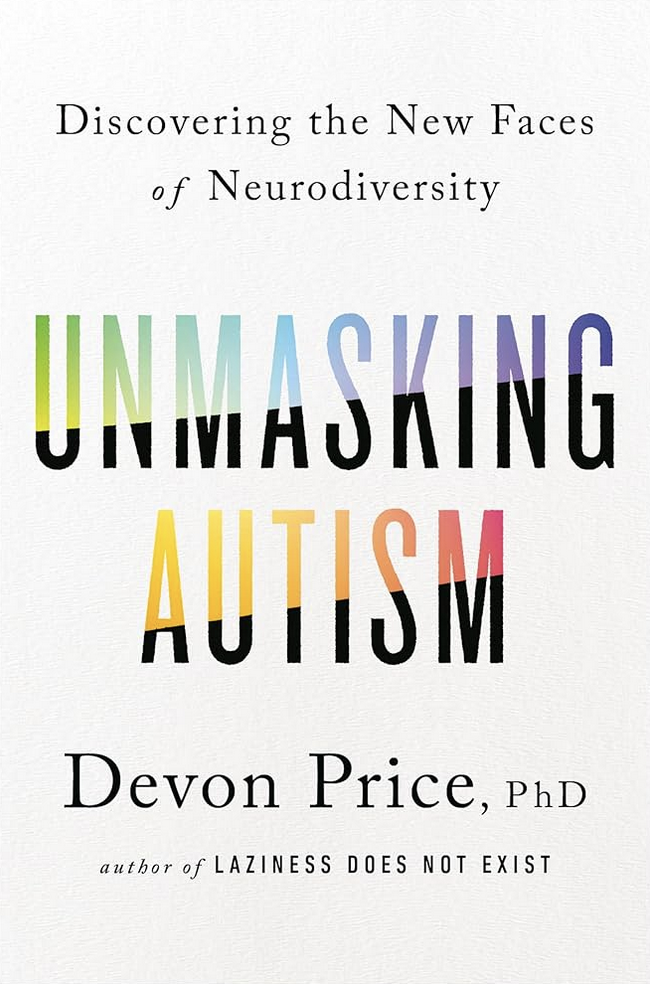
Rating: 8/10
I think this author does a wonderful job helping a late diagnosed individual see the world in a whole new light. The book helps guide a person through their diagnosis, come to view it as a positive, and to start accommodating and expanding on their world. There are also specific prompts for the reader to encourage reader participation in their own process. However, I have had some in the neuro-affirming space dislike this book for 1) a push to unmask always and 2) only capture low support needs experiences. While the author does expand on when and why one may mask, I do think it could have expanded more into racial/systematic threats to doing so. The author does nod to these, but does not spend a lot of time there/offers little solution. I do agree that this book is for lower support needs folx and only making autism out to be a good thing (without recognizing autism can and does cause significant difficulty) can do more harm than good.
Trauma
The Body Keeps the Score by Bessel Van Der Kolk
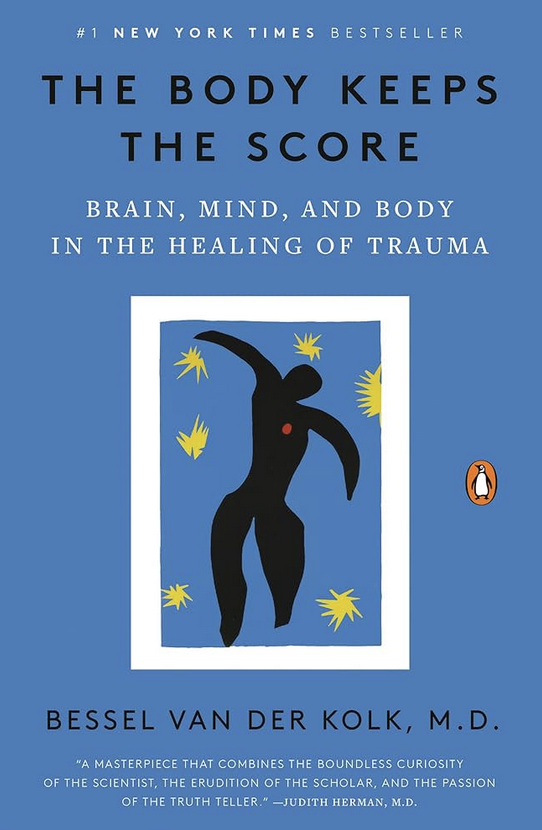
Rating: 5/10
I’m going to be real controversial here. I’ve read this book three times, two on my own, once for graduate school. I saw nothing wrong with it. In fact, I thought it was brilliant. Well, skip forward to now where this author is coming under a lot of heat, where I have heard others go from “He clearly gets off about client’s being traumatized!” to “He faked his data!” I’m not here to weigh in on any of that, I’m here for the content (again, if you want me to be black and white, not gonna happen). Back when I read this book, it was revolutionary in offering some of the first brain body connections. We have more information now to set this book aside, but it is like Freud: the contribution the book made sparked so much change in how the psych field thinks. Even if its bogus, that counts for something (to me anyway).
Social Justice/Social Sciences
The Girls Who Went Away by Ann Fessler
Rating 10/10
Ya’ll, if you want a book that is just going to piss you off, this is it. I read this after Roe v Wade was overturned to gain more context into how big a problem we were in for. I could barely read 5 pages without having to put it down in anger. Not because it was poor writing, not because it was inaccurate, but because of how awful these women’s experiences are. The book details personal stories of AFAB who became pregnant out of wedlock before Roe v Wade, as well as what many women were forced or manipulated into by family members and the adoption system. If every person had this context or read this book, I think the nation would feel quite differently about abortion. Or, at least, I would hope so.
Insane By Alisa Roth
Rating: 7/10
I read this book in my graduate training. Something that many clients do not hear/see about my research and education is that I took classes on the interactions between mental health and the justice system. This book does a good job highlighting how we morphed from institutionalization to criminalization of mental illness. It covers all of the reasons it is an inhumane system, not person and healing focused, and is aimed at neglected populations. This book is a bit dated by now, as its call to action has been slowly developing in police enforcement. For example, training police officers in crisis skills or having a mental health practitioner present on 911 crisis calls. Obviously, the policing system itself will not be overturned by crisis skills, and this book doesn’t go in depth about the racial/social b.s. that the system was developed on. But, if looking for a strictly mental illness and historical perspective, this covers bases well!
The Body is Not an Apology By Sonya Renee Taylor
Rating: 10/10
Honestly, I read this book only for a book club I was a part of, but man am I glad I did! The author does a beautiful job explaining and highlighting how capitalist and racist systems 1) make money off of body insecurity 2) keep one from being connected to themselves, and 3) how to course correct on individual and systematic levels. While insecurity will continue to persist in the current culture and context, this book helps the reader to identify and stay mindful when consuming media as a way to add context, build self esteem, and improve media literacy. Additionally, the author’s thoughts on the normalization of what conversations should be personal being turned into public spectacle (especially around image and health) taint everyone perceptions of privacy.
Picking Cotton by Jennifer Thomson-Cannino and Ronald Cotton
Rating: 8/10
Again, a pretty dated book I read in graduate school, BUT dang is this a wild story! For those unfamiliar, the story is co-written by a white woman who was sexually assaulted by a black man, and the black man accused and convicted of the assault. Except, plot twist, they had the wrong man the whole time! Through the writing of both sides of the story, the book details how both authors came to the real truth and how the conviction was overturned. The reason this book is amazing is because it give real, personal experiences of racial discrimination in the justice system, the roles of regions in the US, and how to strongest interpersonal ties can be established by confronting and dismantling racist ideology. It also demonstrates the psychological complexity and error in concepts the justice system deems irrefutable: memory, facial recognition, and confession.